Crypto Compliance After
NexFundAI
The FBI created a real cryptocurrency token to catch market manipulators. Here's what it means for your business, and what you need to do now.
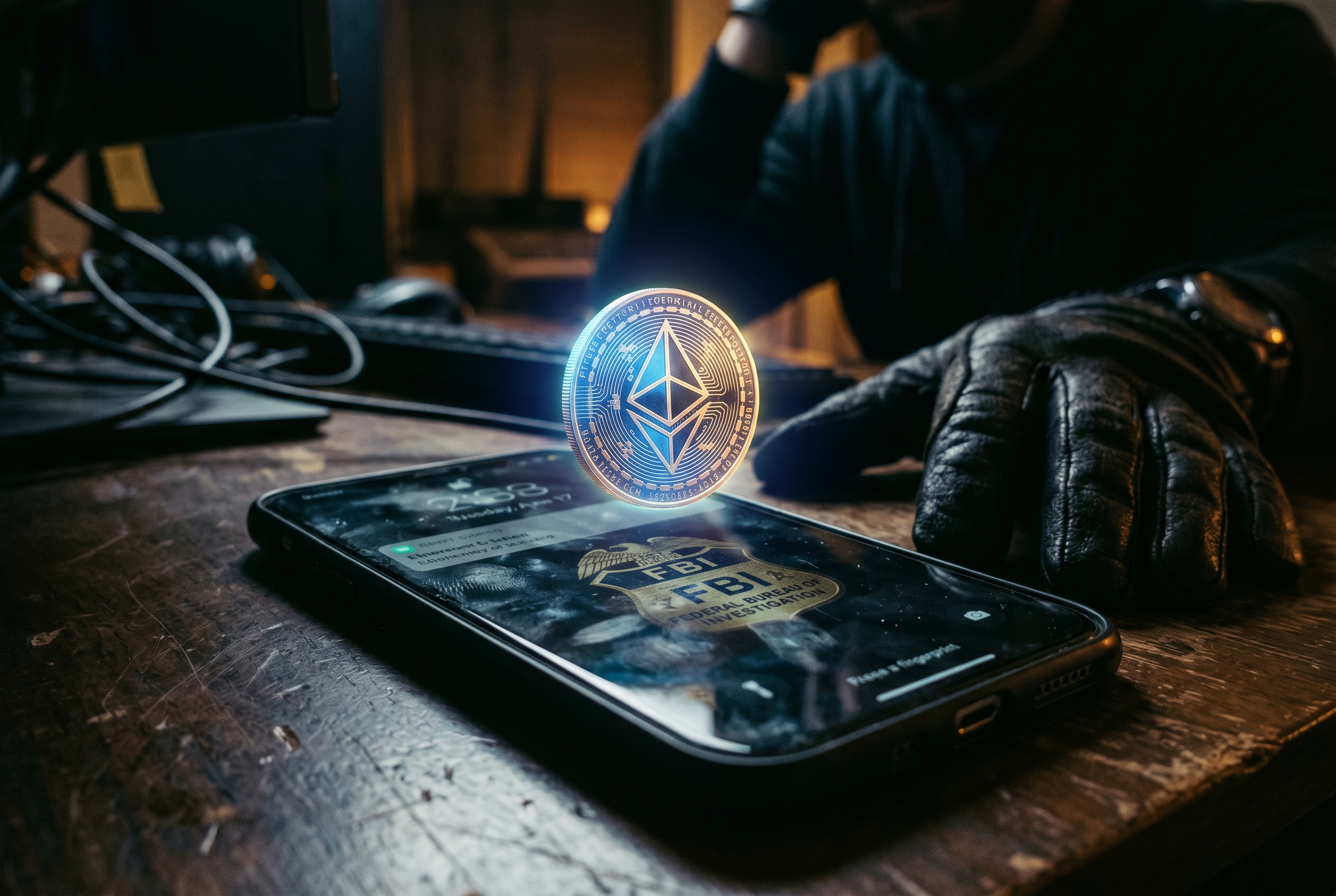
If you're in crypto (investing, trading, running a token project, or accepting crypto payments), you need to understand what happened with Operation Token Mirrors.
The FBI didn't just watch crypto fraud. They built it.
They created NexFundAI: a real ERC-20 token on Ethereum, with a real website, real branding, real liquidity on Uniswap. Then they hired market makers to pump it. And when people took the bait (wash trading, pump-and-dump schemes, artificial volume), the FBI arrested them.
18 charged. $25 million seized. Multiple guilty pleas.
The largest proactive crypto enforcement operation in US history.
What Actually Happened
In May 2024, the FBI launched NexFundAI as part of Operation Token Mirrors. Undercover agents posed as a crypto project team and approached market-making firms, asking for help creating fake trading activity.
The market makers agreed. They executed wash trades, rapidly buying and selling the same token to create the illusion of demand. They coordinated pump-and-dump schemes. They did everything that crypto market manipulators do every day.
Except this time, every transaction was recorded on a blockchain the FBI controlled. Every conversation was documented. And every participant was building their own criminal case file.
Indictments came down between March and September 2025. Arrests spanned Singapore, the US, and the UK. Companies implicated include Gotbit, Vortex, Antier, Contrarian, ZM Quant, CLS Global, MyTrade, Saitama, and Robo Inu. Several defendants have already pleaded guilty.
The old model was: watch the blockchain, find the bad guys, build a case. The new model is: become the bad guys' business partner, then build the case from the inside.
What This Means for You
Your Counterparty Could Be the FBI
NexFundAI looked legitimate. Real website. Real token. Real liquidity. Standard due diligence (checking for a whitepaper, looking at the token contract, verifying the liquidity pool) would have passed NexFundAI with flying colors.
The old "look before you leap" approach is dead. You need to know who you're leaping with, not just what you're leaping into.
Market Makers Are Now a Risk Vector
The FBI hired actual market-making firms to create fake volume. Companies like Gotbit, CLS Global, and ZM Quant were implicated. If you're a token project using a third-party market maker, and that market maker engages in wash trading on your token, you could be next, even if you didn't explicitly authorize it.
Vet your market makers. Get compliance guarantees in writing. If they won't provide them, walk away.
Wash Trading = Federal Charges
The core crime was wash trading: rapidly buying and selling the same asset to create fake volume and attract real investors. This isn't a gray area. It's securities fraud. And the FBI has now demonstrated they'll create entire ecosystems to catch you doing it.
If your volume looks artificially inflated, it might not just be bad for investors. It might be bait.
"I Didn't Know" Won't Save You
Several defendants argued they were just providing a service. The DOJ's position: if you're creating fake volume to attract real investors, that's fraud, regardless of what your client asked you to do.
Willful ignorance is not a defense. Proactive compliance is.
What ALBS Recommends
For Crypto Traders & Investors
- ✓Screen every counterparty. Not just the token. The people behind it, the market makers they use, the exchanges they're listed on.
- ✓Document everything. If a token you invested in gets caught up in an enforcement action, you'll need to prove you were a victim, not a participant.
- ✓Avoid suspicious volume patterns. If the volume-to-liquidity ratio looks too good to be true, it probably is. And it might be the FBI.
For Token Projects & Founders
- ✓Vet your market makers. Ask for proof that their trading strategies are compliant. Get it in writing. If they won't provide it, walk away.
- ✓Implement internal compliance. Even small projects need basic AML/KYC and wash trading detection. The cost of compliance is a fraction of the cost of an indictment.
- ✓Don't rely on "everyone does it." The entire point of Operation Token Mirrors was to prove that "everyone does it" doesn't make it legal.
For Businesses Accepting Crypto
- ✓Transaction screening matters. Know your transaction sources. If your revenue comes from wallets associated with wash trading or market manipulation, you could face exposure.
- ✓Tax compliance is a shield, not a burden. Proper reporting creates a paper trail that demonstrates good faith. In an enforcement environment this aggressive, that paper trail is invaluable.
The Bottom Line
The government isn't just watching crypto anymore. They're in crypto. And if you're not doing proper compliance, you're not just risking a bad trade. You're risking federal charges.
ALBS offers crypto compliance audits, tax preparation for crypto traders and investors, and advisory services for token projects. If this article made you nervous, it should. And we can help.
support@simplifyingbusinesses.com · (561) 479-8624
Sources
- DOJ Press Release: 18 Individuals and Entities Charged in International Crypto Market Manipulation Operation
- Crypto Briefing: FBI NexFundAI Sting: What It Means for Crypto
- Field Effect: How the FBI Used a Fake Crypto Company to Bust Manipulators
- TRM Labs: FBI Creates Token Project in Trojan Horse Crypto Operation